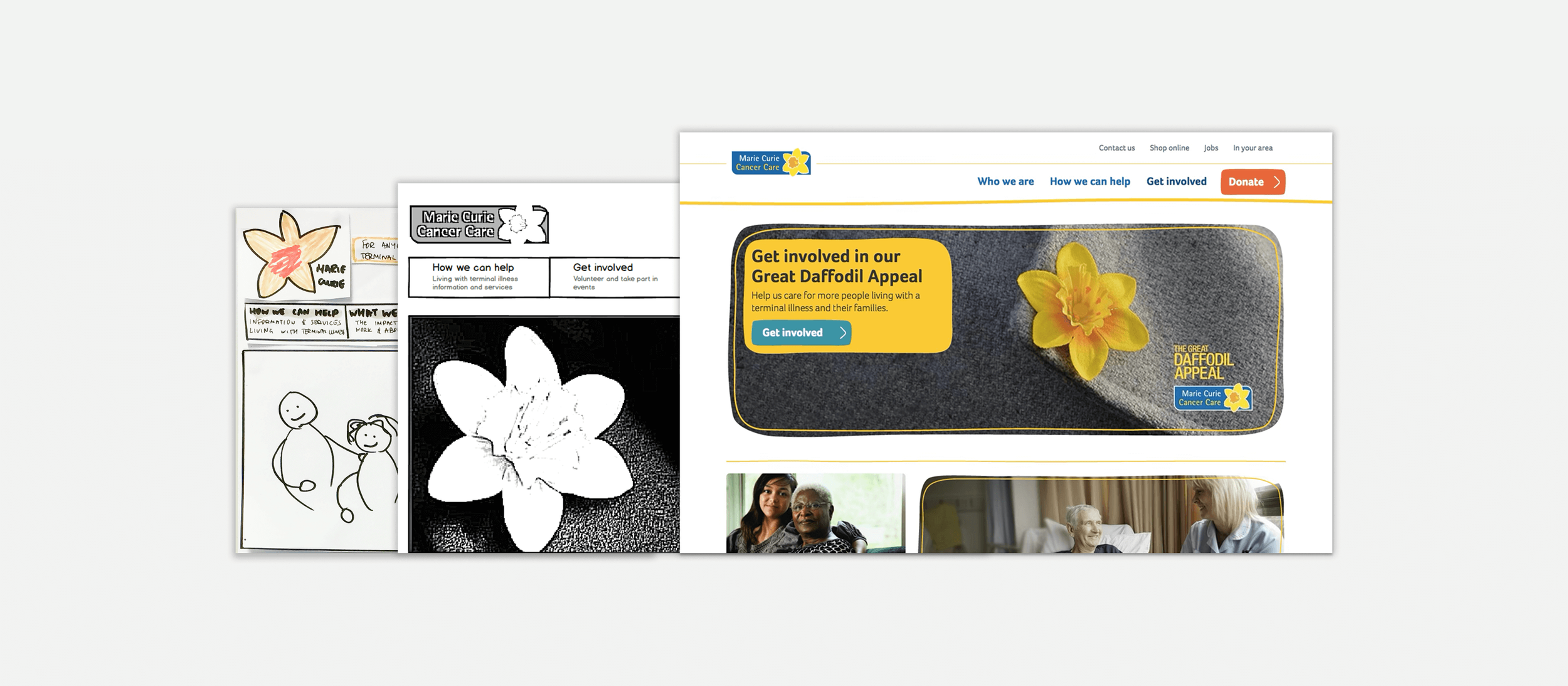
Redesigning information and donation services for a leading UK charity
A mixed-methods, user-centred iterative approach.
The new website launched successfully and achieved:
20% increase in visitors
75% increase in people returning to the site
94% increase in mobile users
The website became widely recognised as an industry-leading example.
“The site was developed following extensive user research, and features a new, streamlined navigation that reflects the way people choose to access information, as well as more intuitive functions that enable users to quickly access the right data. We’ve already seen a number of encouraging results.”
Marie Curie is the UK’s leading charity for people affected by terminal illness. Their website needed to do more — not just share information, but actively support people earlier in their journey. It also needed to reflect the scale and impact of the charity’s work across hospices, helpers and volunteers.
The challenge
The existing site wasn’t meeting the needs of users at critical moments. Marie Curie wanted to:
Support people with terminal illness and their loved ones much earlier in their journey
Reach a wider, more diverse audience — and grow that audience tenfold
Create a new information architecture that would support future digital transformation
To achieve this, we led a full-scale, research-led website redesign and service transformation — shaping the work from strategy through to delivery.
My role
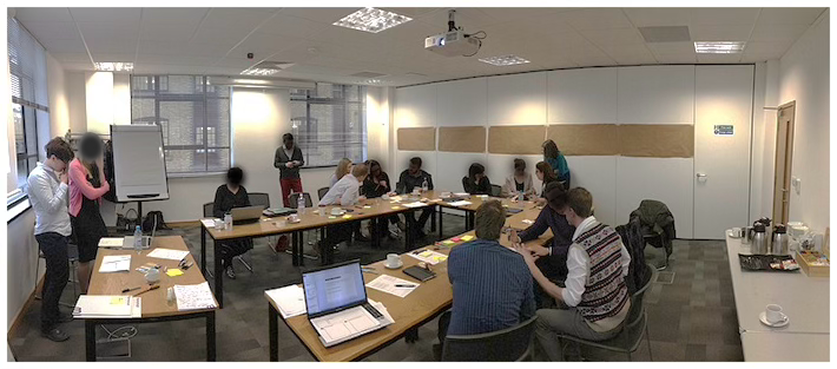
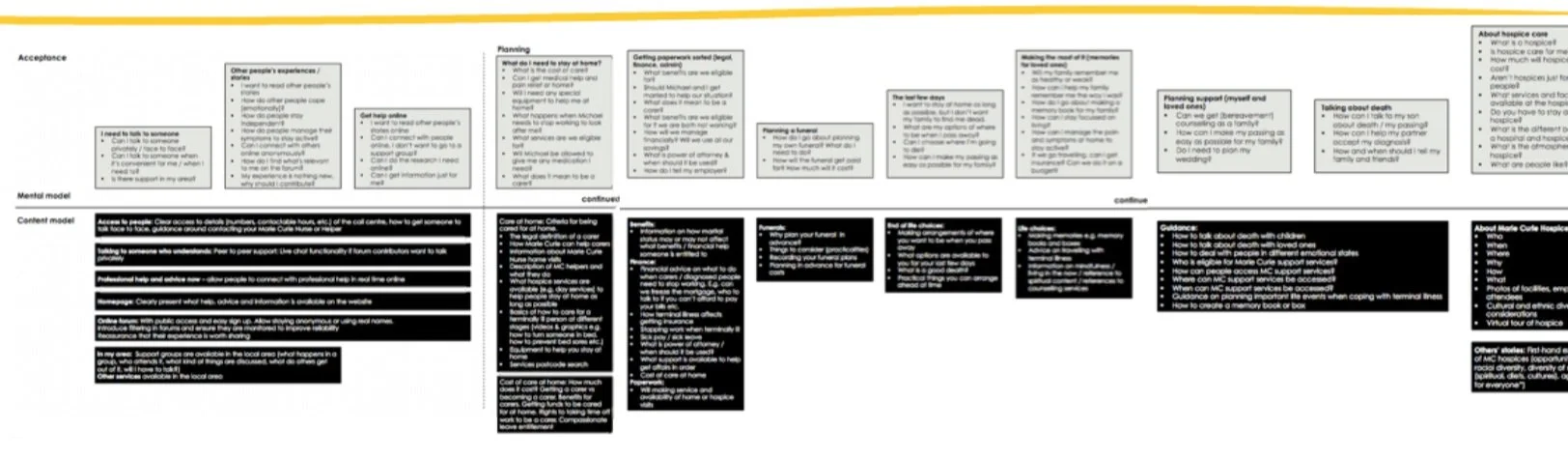
I led the research and design work, working in a blended team that also included the client’s designers and developers. This involved running stakeholder workshops, conducting user research, crafting personas, mental models and designing new ways to organise information.
Mixed methods approach
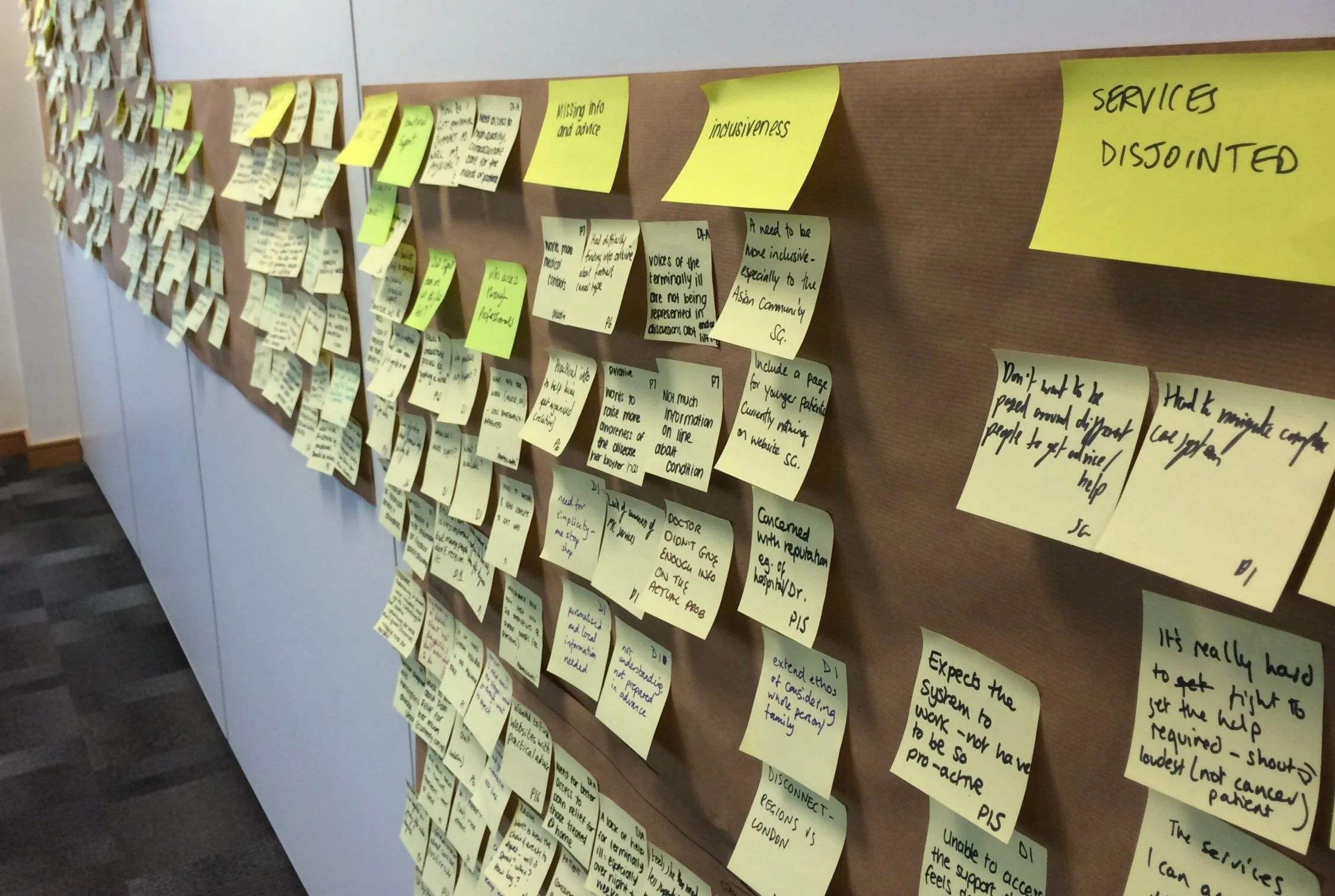
We began by rapidly building understanding of the evidence. We reviewed existing data, held workshops with staff and volunteers and studied how the organisation already supported people.
From there, we built on what we learned with primary and secondary research.
Discovery
ran 30 in-depth interviews with people affected by terminal illness
conducted contextual research in hospices to understand emotional and clinical contexts
reviewed reports, industry benchmarks and digital services elsewhere
Creating a service vision
mapped the current journey from diagnosis to bereavement and beyond, highlighting gaps in service provision
created a to-be vision that became a long-term tool for planning
Iterative design and testing
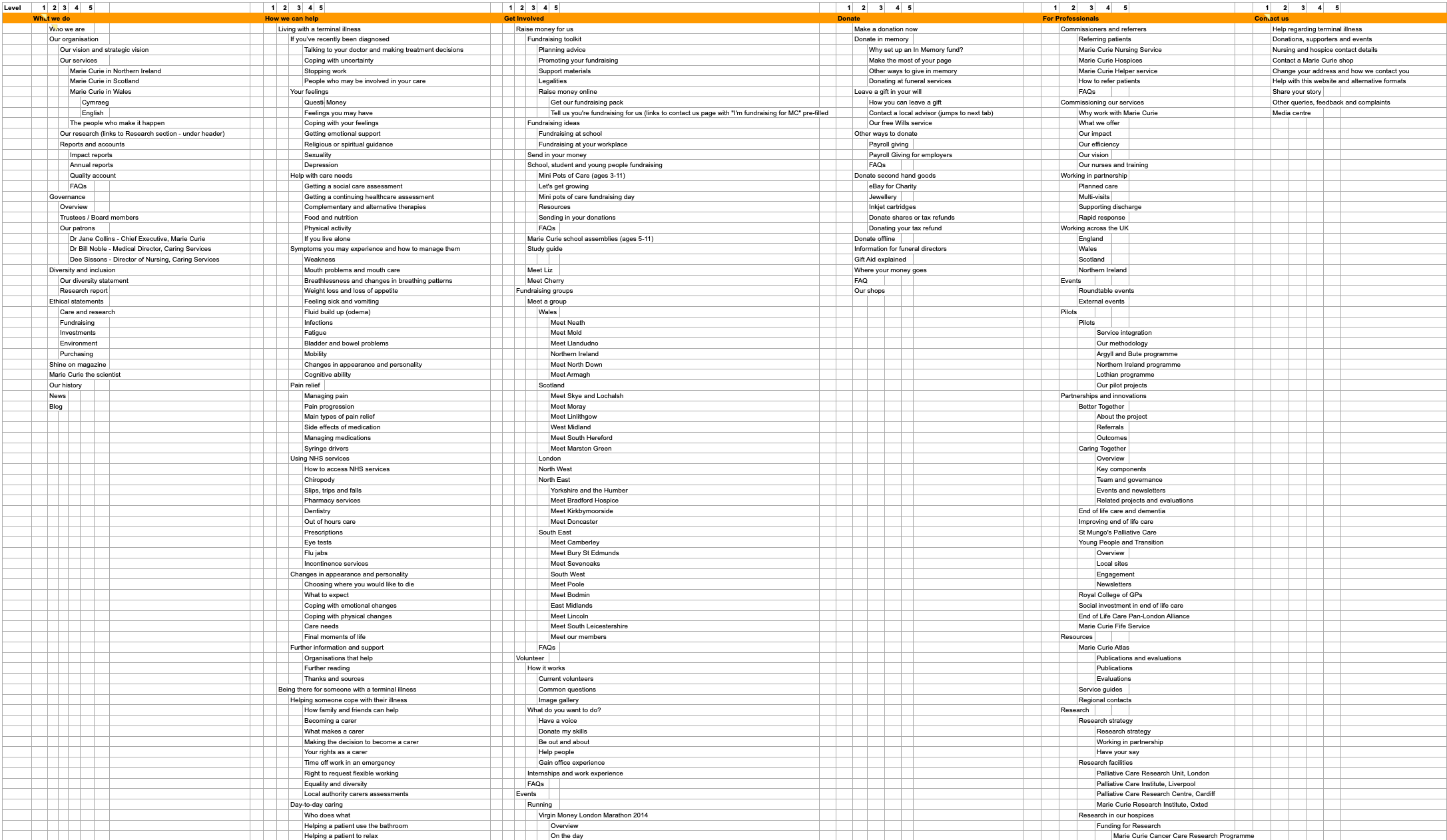
used card sorting and tree testing to redesign navigation
ran ten Agile sprints: that included rapid design, testing and iteration
prototypes were tested across the UK to reflect diverse user experiences
Emotional and persuasive design
We applied behavioural techniques — such as anchoring and limited choice — to improve calls to action, especially in the donation journey.
We travelled around the country with a portable lab that included an eye tracker, testing journeys with different user groups.
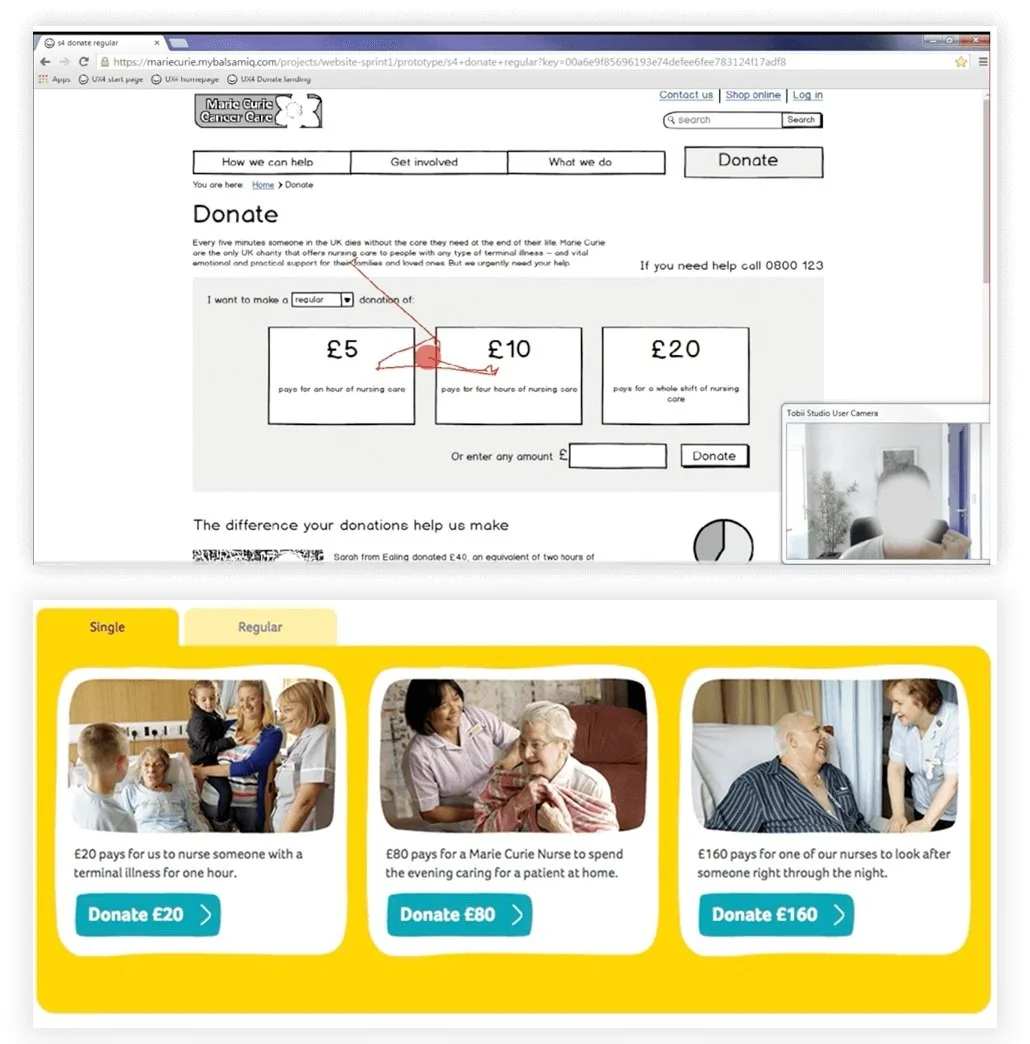
We acknowledged the full emotional context of the users, making sure the tone and visuals felt warm, human and sensitive.
If you’ve found it interesting, see my other work.